

In a world where swiping right can lead to love or at least a decent taco date, dating apps have transformed the way people connect. Gone are the days of awkward encounters at bars or blind dates set up by well-meaning friends. Now, with just a few taps, anyone can find potential partners who share their love for obscure Netflix shows and avocado toast.
But let’s face it, navigating the digital dating jungle can feel like a game of dodgeball—exciting yet a little terrifying. With countless options at their fingertips, users often find themselves overwhelmed. Are they looking for true love or just someone to binge-watch the latest series with? This article dives into the world of dating apps, exploring their quirks, benefits, and how to make the most of them without losing your sanity.
Overview of Dating Apps
Dating apps represent a significant shift in how individuals connect romantically. These platforms offer convenience and a broader selection of potential partners, catering to various preferences and relationship goals. Users can swipe through profiles, sending likes or messages, making their dating experience more interactive than traditional approaches.
Many features define dating apps, including algorithms that match users based on compatibility. Gamification elements also enhance engagement, encouraging users to participate actively. Given the variety of apps available, individuals can find those tailored for specific demographics, interests, or relationship types. For example, some applications focus on long-term relationships, while others lean toward casual dating.
When utilizing dating apps, safety should remain a priority. Many platforms include safety features, such as profile verification and privacy settings, to assist in protecting users’ information. Users should remain cautious when sharing personal details and arrange initial meetings in public places.
In addition to safety, mental health plays a vital role in the online dating experience. Users often face overwhelming choices, leading to decision fatigue or dissatisfaction. Establishing clear intentions before engaging with these platforms helps maintain focus and reduces stress.
The evolving landscape of dating apps continues to shape social interactions. Many individuals now find love or companionship through these digital tools, transforming the dating culture. Users can benefit from exploring various options and refining their preferences as they navigate these platforms.
Popular Dating Apps
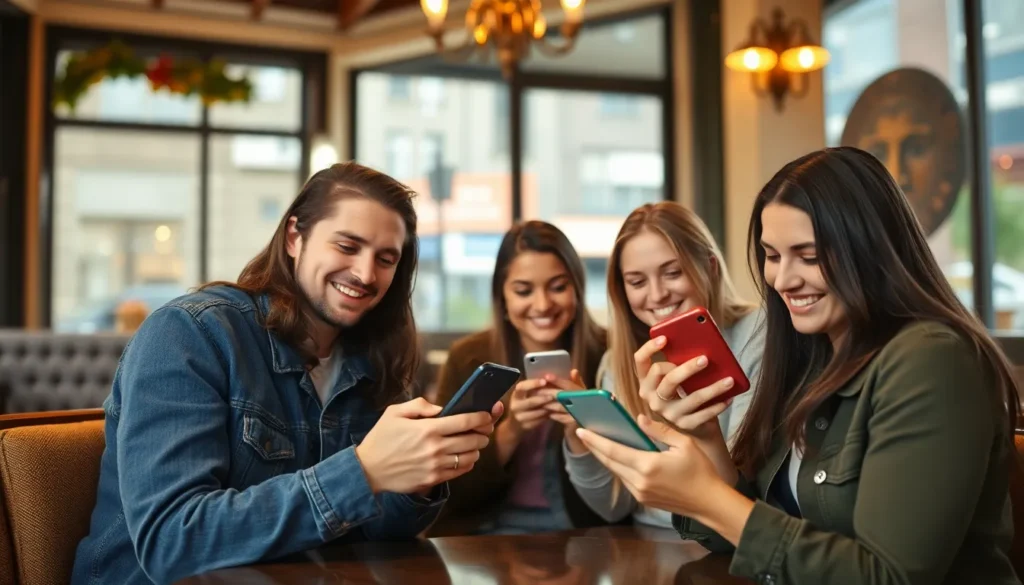
Numerous dating apps cater to diverse preferences and relationship goals. Each app offers unique features to enhance user experience.
App 1: Features and User Experience
Tinder excels with its straightforward swipe functionality, allowing users to like or dislike profiles effortlessly. Many users appreciate the quick matches that arise from this simple interface. In addition, Tinder’s algorithm suggests profiles based on user preferences, increasing compatibility chances. Safety features like photo verification help establish trust among users. Gamification elements, such as a “super like” option, promote engagement. These aspects contribute to a user-friendly experience, making it accessible for newcomers.
App 2: Features and User Experience
Bumble empowers women by allowing only them to initiate conversations after a match occurs. This unique approach fosters a respectful environment that many users value. Bumble also includes features like Bumble BFF for friendships and Bumble Bizz for networking. Profiles highlight interests and preferences, enhancing compatibility assessments. Users often note the app’s clean design and efficient navigation. Verification options add another layer of security, ensuring genuine interactions.
Benefits of Using Dating Apps
Dating apps offer significant advantages that enhance the dating experience. These platforms streamline the process of meeting potential partners, making it easier for users to explore connections.
Convenience and Accessibility
Accessibility defines dating apps. Users can connect anytime and anywhere, removing geographic or time barriers. Registration typically requires minimal effort, allowing users to create profiles in minutes. Many platforms feature intuitive designs, ensuring smooth navigation for all skill levels. Users can filter preferences based on criteria like age, location, and interests. This targeted approach simplifies finding compatible matches, saving time and energy.
Diverse Options and Matches
Diverse options define the landscape of dating apps. Users encounter a vast array of potential partners, making it easier to explore various relationship types. Filters and algorithms efficiently narrow down options based on individual preferences. Many apps cater to different demographics, helping users find matches aligned with their values and goals. Numerous success stories reinforce the potential for finding meaningful connections through these platforms. The ability to connect with individuals outside one’s immediate social circle expands opportunities for romantic relationships.
Challenges of Dating Apps
Dating apps present unique challenges that users often encounter. Among these, safety and privacy concerns stand out as critical issues.
Safety and Privacy Concerns
Users frequently face threats to their safety and privacy while using dating apps. Many platforms lack stringent verification processes, exposing individuals to fake profiles. Inadequate information can lead to unsafe meetups or harassment. Protecting personal data remains a significant challenge, as some apps collect user details without transparent policies. Users must stay vigilant, utilizing features like profile verification and reporting tools to enhance security. Despite reassurances from app providers, navigating privacy settings can be complex. Ultimately, prioritizing safety is essential for a positive dating experience.
Misrepresentation and Ghosting
Misrepresentation lurks in the digital dating world, affecting connections. Users often encounter profiles with outdated or misleading photos, which can lead to disappointment during in-person meetings. Ghosting further complicates interactions, with individuals suddenly ceasing communication without explanation. This behavior undermines trust and can impact mental well-being. Authenticity emerges as a crucial element for successful relationships, yet many struggle with honesty. Distinguishing genuine individuals from misleading profiles demands discernment. Emphasizing transparent communication fosters healthier online interactions. Users should remain aware of these challenges and seek connections based on sincerity.
Future Trends in Dating Apps
Emerging technologies will significantly shape the dating app landscape. Artificial intelligence stands at the forefront, providing enhanced matchmaking capabilities and personalized experiences. Users can expect advanced algorithms that analyze preferences and behaviors more effectively, leading to better matches.
Virtual reality might soon offer immersive dating experiences. By allowing users to engage in virtual meetups, these experiences can reduce anxiety associated with first dates. Augmented reality features could additionally offer interactive dating scenarios, making connections feel more genuine.
Inclusive design principles will grow in importance. Dating apps will increasingly focus on catering to diverse communities, ensuring that all users feel seen and respected. Gender-neutral options and customizable profiles will contribute to a more welcoming environment.
Privacy and security measures will likely evolve as users become more concerned about their safety. Enhanced verification processes, such as biometric identifiers, may become standard to help combat fake profiles. Transparency about data usage will be critical in building trust.
Gamification elements may continue to enhance user engagement. Integrating fun features, such as rewards for active participation, can keep users coming back for more. The balance between enjoyment and authentic connections remains essential for user satisfaction.
Lastly, mental health awareness will influence app design. Features that encourage users to take breaks and set boundaries will emerge as key tools for improving online dating experiences. By promoting healthier habits, dating apps can help mitigate the pressure that often accompanies the search for love or companionship.
Dating apps have undeniably reshaped how individuals connect in today’s digital age. With their convenience and tailored options they offer a new avenue for forming relationships. While navigating these platforms can be exciting it also comes with challenges that require users to approach them mindfully.
By understanding the unique features of various apps and prioritizing safety users can enhance their experience. As technology continues to evolve the landscape of online dating will likely adapt further promoting inclusivity and mental well-being. Embracing these changes while staying true to personal intentions can lead to fulfilling connections in the ever-changing world of dating.


